
Blog
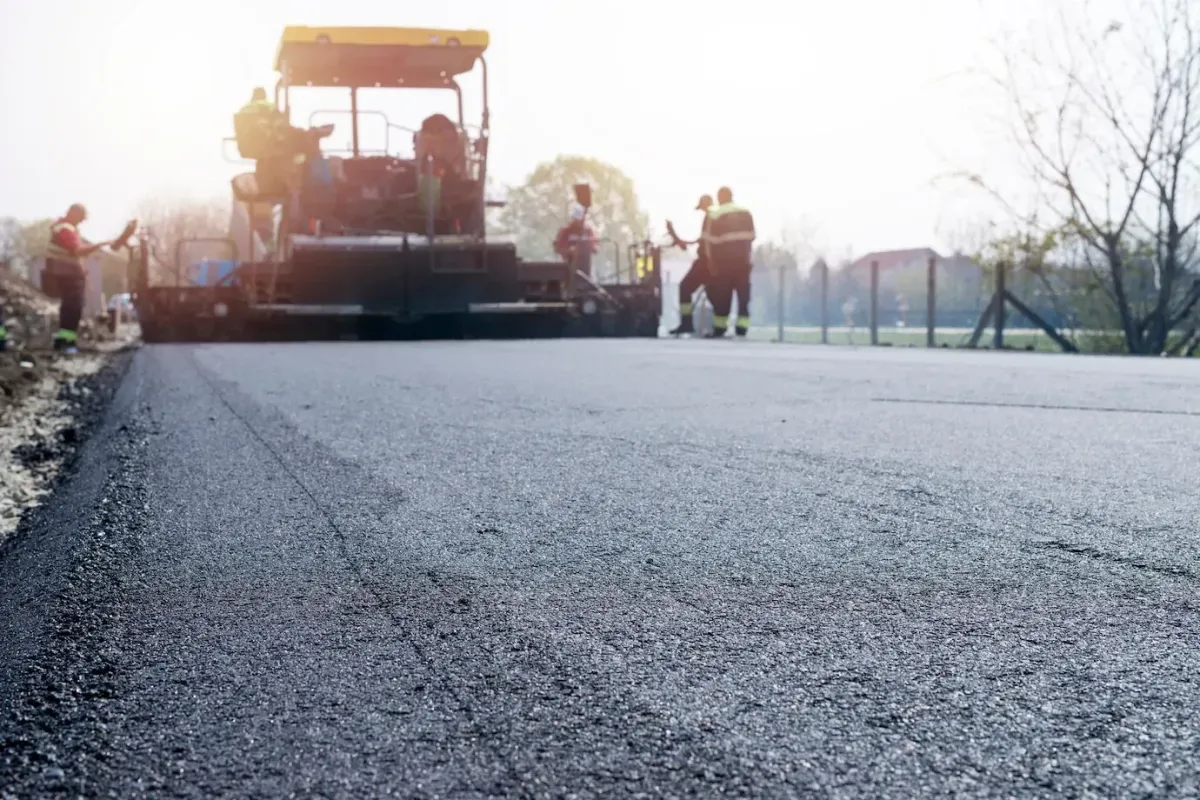
When Is Asphalt Resurfacing Necessary vs Simple Patching
Introduction
A small pothole or crack in your asphalt doesn’t automatically mean you need to repave everything. In many cases, a quick patch is enough to restore safety and buy you more time.
But sometimes patching turns into a cycle. You fix one spot, then another fails. A few months later, new cracks appear somewhere else. At that point, repairs start costing more than they’re saving.
So how do you know when a simple patch is still the smart move — and when it’s time for full resurfacing?
If you manage a driveway, parking lot, or private road in Seekonk, this decision is especially important because local freeze-thaw weather can turn minor damage into major deterioration quickly. This guide explains the difference between patching and resurfacing, compares costs, and helps you decide which option actually makes sense for your property.
What Patching and Resurfacing Actually Do
Before choosing between them, it helps to understand that these services solve different levels of problems.
Patching is a targeted repair. Resurfacing is a structural refresh.
Patching fixes specific trouble spots while leaving most of the surface untouched. Resurfacing renews the entire top layer of asphalt across the whole area. Because of that, the scope, price, and lifespan of each option are very different.
What Counts as Simple Patching
When damage is isolated, patching is usually the first and most economical solution.
Common patch repairs include:
Filling individual potholes
Cutting out and replacing small broken sections
Repairing utility trenches
Fixing localized sinking or soft spots
These repairs remove the failed asphalt and replace it with fresh hot mix. Once compacted, the area blends into the surrounding surface.
Patching works best when the rest of the pavement is still structurally sound.
What Asphalt Resurfacing Involves
Resurfacing, sometimes called an overlay, is a larger project designed to extend the life of aging asphalt.
Instead of treating isolated areas, contractors prepare the entire surface and install a new asphalt layer across the full driveway or lot.
Typical resurfacing includes:
Repairing weak areas first
Cleaning and prepping the surface
Milling uneven spots if needed
Installing a new asphalt overlay
This creates a smoother, more uniform surface and restores strength across the whole area.
It costs more upfront than patching but delivers a longer-lasting result.
Quick Cost Comparison
Understanding price differences helps frame the decision.
Patching clearly costs less at first, but lifespan and coverage determine which option is cheaper long term.
When Patching Is the Right Choice
If damage is limited and the pavement is still strong overall, patching is usually the smartest and most affordable solution.
Patching makes sense when:
The problems are isolated
Only a few spots are failing while most of the surface looks solid.
The asphalt is relatively young
Newer pavement with minor damage often just needs maintenance, not major work.
The base is still stable
If there’s no widespread sinking or soft areas, repairs can last for years.
Budget is short term
Quick repairs restore safety without a large upfront expense.
In these situations, patching can extend pavement life several years at a fraction of the cost of resurfacing.
When Resurfacing Becomes Necessary
At some point, patching stops being effective. When damage spreads across the surface, repairs become repetitive and less reliable.
Resurfacing is usually the better investment when the following conditions appear.
Widespread cracking
If cracks run throughout the lot or driveway, patching individual spots won’t solve the root problem.
Alligator cracking
Web-like cracking patterns indicate structural failure beneath the surface, not just cosmetic issues.
Frequent potholes
If new potholes keep forming, the asphalt has likely weakened across a larger area.
Aging pavement
Most asphalt lasts 15–20 years. After that, resurfacing is often more practical than ongoing repairs.
Uneven appearance
If multiple patches leave the surface rough and inconsistent, resurfacing restores smoothness and drainage.
When more than about one-third of the surface needs repairs, resurfacing typically costs less over time than continued patching.
A Simple Decision Process You Can Follow
If you’re unsure which route to take, this step-by-step method can help clarify things.
Walk the surface and mark damaged areas
Estimate what percentage of the total area needs repair
Check the age of the asphalt
Compare repair costs vs full overlay pricing
Consider how long you want the solution to last
If repairs affect less than 25–30% of the surface, patching usually works.
If damage approaches or exceeds 40%, resurfacing often provides better value.
Why Seekonk Weather Speeds Up the Timeline
Climate plays a big role in this decision.
In Seekonk, winter freeze-thaw cycles allow water to enter cracks and expand, making small damage grow quickly. Summer heat and heavy traffic further stress older asphalt.
Because of these conditions:
Minor cracks spread faster
Patches wear out sooner
Preventive maintenance matters more
That’s why acting early — before problems become widespread — saves the most money locally.
Waiting too long often means skipping patching altogether and moving straight to resurfacing.
FAQs About Patching and Resurfacing
How long does patching last?
Quality patches can last several years if the surrounding asphalt is still healthy.
How long does resurfacing last?
An overlay typically adds 10–15 years or more with proper maintenance.
Can you sealcoat after resurfacing?
Yes. Sealcoating every few years helps protect the new surface.
Is resurfacing the same as replacement?
No. Replacement rebuilds the base. Resurfacing only renews the top layer.
Which option looks better?
Resurfacing provides a uniform, like-new appearance. Patching may still show repair seams.
Conclusion
Choosing between patching and resurfacing comes down to the overall condition of your asphalt, not just the price tag. Small, isolated damage is usually handled effectively with simple repairs. But once cracking and deterioration spread across large areas, resurfacing often becomes the smarter long-term investment.
For property owners in Seekonk, early evaluations can prevent small problems from turning into major expenses. Working with an experienced local contractor like All-Phase Asphalt Inc helps you understand the true condition of your pavement and choose the option that delivers the best value over time.
A quick inspection today can help you avoid bigger costs tomorrow.

Our Services
Helpful Links
License: RI 13328
© 2026 All Rights Reserved | All-Phase Asphalt Inc
Website Done By: LocalEyes