
Blog
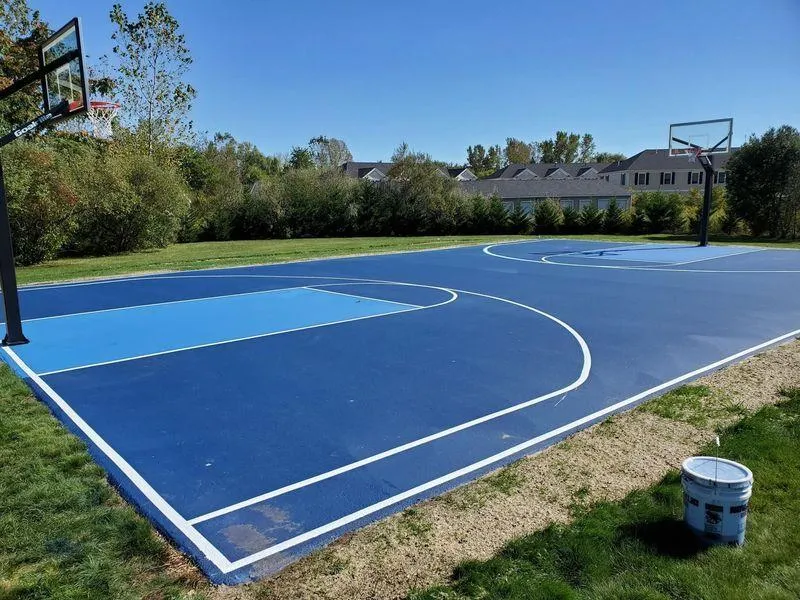
What Questions Should You Ask Before Sport Court Paving
Introduction
A sport court looks simple from the outside — a smooth, flat surface with painted lines and goals. But underneath that clean finish is a carefully built structure that determines how the court plays, drains, and holds up over time.
If the base is weak or the surface isn’t installed correctly, you’ll notice it fast. Cracks form, puddles collect, and uneven spots affect bounce and safety. Repairs on courts aren’t cheap either, especially once coatings and striping are involved.
Before investing in a basketball, tennis, or multi-use court at your home, school, or community property in Seekonk, asking the right questions upfront can save thousands later. This guide walks you through the most important things to clarify with your contractor so you get a surface that performs well and lasts.
Why Asking Questions Matters Before You Pave
Sport courts aren’t just smaller parking lots. They have tighter tolerances, smoother finishes, and higher expectations for playability.
A small slope or shallow base that might be fine for a driveway can create real problems on a court. Water pooling, inconsistent bounce, or premature cracking can all trace back to planning decisions made before paving even starts.
Taking time to ask detailed questions helps you understand exactly what you’re paying for — and prevents surprises after installation.
Questions About Site Preparation and Base Work
Before asphalt goes down, the foundation determines whether the court will stay stable for years or start shifting after one season.
Start by asking about what happens below the surface.
How deep will excavation go?
Proper excavation removes soft or organic soil and creates room for a compacted base. If the depth is too shallow, the court may settle or crack.
What type of base material will be used?
A quality crushed stone or aggregate base improves stability and drainage. Ask what material is specified and how thick it will be installed.
How will the base be compacted?
Compaction is critical. Without it, even good stone can move over time. Make sure proper equipment and multiple passes are planned.
These questions ensure the structure underneath your court is strong enough to support years of use.
Questions About Drainage and Slope
Drainage is one of the most overlooked parts of sport court design, yet it directly affects safety and lifespan.
Courts must be nearly flat for play, but still sloped enough to shed water. Finding that balance requires careful grading.
Because water is such a major factor, clarify the following details:
What slope percentage will the court have for runoff?
Where will water drain after rainstorms?
Will the site need additional grading or drains?
How will puddles be prevented in low areas?
Even small drainage mistakes can lead to slippery spots, surface wear, and cracking, especially with New England’s freeze–thaw cycles.
Questions About Asphalt Thickness and Mix
Not all asphalt installations are equal. Thickness and material quality affect durability, especially if the court will see frequent or heavy use.
Ask specifically about the structural layer that will be installed.
What asphalt thickness is recommended?
Thicker asphalt generally lasts longer and resists cracking. Sport courts often need more support than homeowners expect.
What mix design will be used?
Some mixes are smoother and more suitable for recreational surfaces. Others are designed for heavy traffic. The right choice affects performance and longevity.
Will edges be reinforced?
Edges without support tend to crumble. Reinforcement or proper shoulders help protect the court perimeter.
Understanding these details helps ensure you’re not sacrificing durability to reduce costs.
Questions About Surface Finish and Coatings
After paving, the surface finish determines how the court looks and plays. This stage often has the biggest visual impact.
To avoid disappointment, discuss finish options clearly.
Will the surface be coated or sealed?
Specialty acrylic coatings improve grip, appearance, and protection. They also reduce surface wear and fading.
How many coats are included?
More coats typically mean better durability and more consistent color.
What type of line striping will be used?
Quality striping materials last longer and resist peeling or fading.
These choices affect not only performance but also long-term maintenance needs.
Questions About Timeline and Curing
Timing matters more than many people realize. Asphalt needs time to cure before coatings or heavy use.
To plan properly, ask about the project schedule.
How long will installation take from start to finish?
How long before the surface can be walked on?
When can sports equipment or play begin?
Are weather conditions likely to delay work?
Knowing the timeline helps you avoid using the court too soon and damaging the surface prematurely.
Questions About Maintenance and Longevity
A well-built court still requires upkeep. Understanding future maintenance helps you budget realistically.
Before signing a contract, clarify:
How often should the court be sealcoated or recoated?
When will cracks need repair?
What cleaning methods are recommended?
What lifespan should you expect before resurfacing?
Clear answers here prevent surprise costs down the road.
Questions About Local Experience
Finally, experience with local conditions matters more than many people think.
Climate, soil, and drainage patterns vary by region. A contractor familiar with Seekonk’s weather and ground conditions will know how to design a surface that holds up better over time.
Ask whether the company has completed similar projects nearby and what challenges they typically see in the area.
Local knowledge often translates to fewer issues and longer-lasting results.
Quick Checklist Before You Move Forward
If you want a simple way to stay organized, use this summary list before approving your project:
Confirm excavation depth and base thickness
Verify drainage design and slope
Review asphalt thickness and mix type
Discuss coatings and striping options
Understand curing time and schedule
Ask about maintenance expectations
Choose a contractor with local experience
Checking each of these areas helps ensure nothing important gets overlooked.
Conclusion
Sport court paving is a long-term investment, and the decisions made before construction have the biggest impact on performance and durability. Asking detailed questions about preparation, drainage, materials, and maintenance helps you avoid costly repairs and ensures the court plays the way it should.
For property owners in Seekonk, working with experienced local professionals who understand site conditions can make all the difference. Teams like All-Phase Asphalt Inc regularly help clients plan and build durable asphalt surfaces designed for both play and longevity.
A little planning now leads to a better court for years to come.

Our Services
Helpful Links
License: RI 13328
© 2026 All Rights Reserved | All-Phase Asphalt Inc
Website Done By: LocalEyes